


2026 年 4 月 28 日
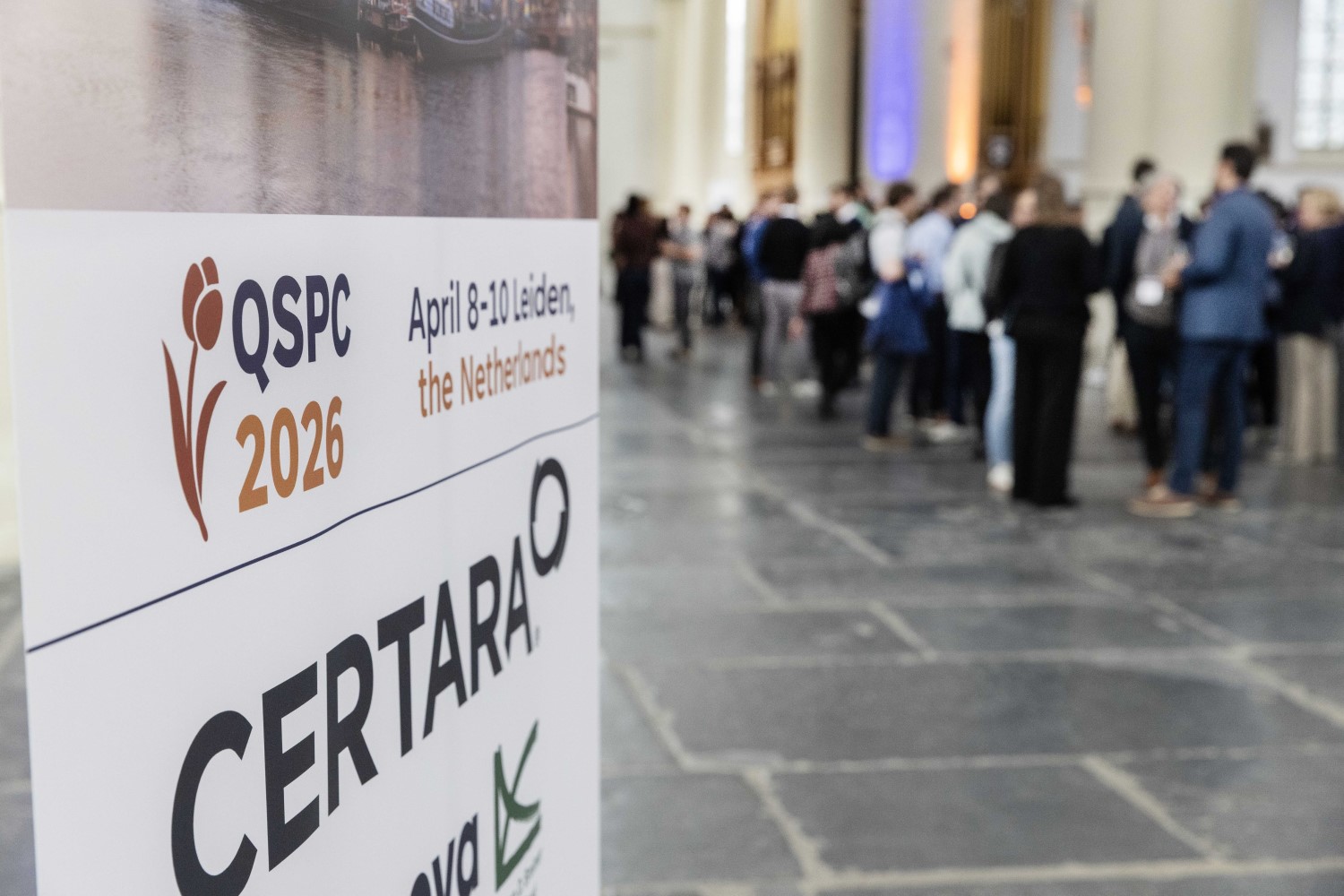
More than the science: Community, conversations, and Leiden
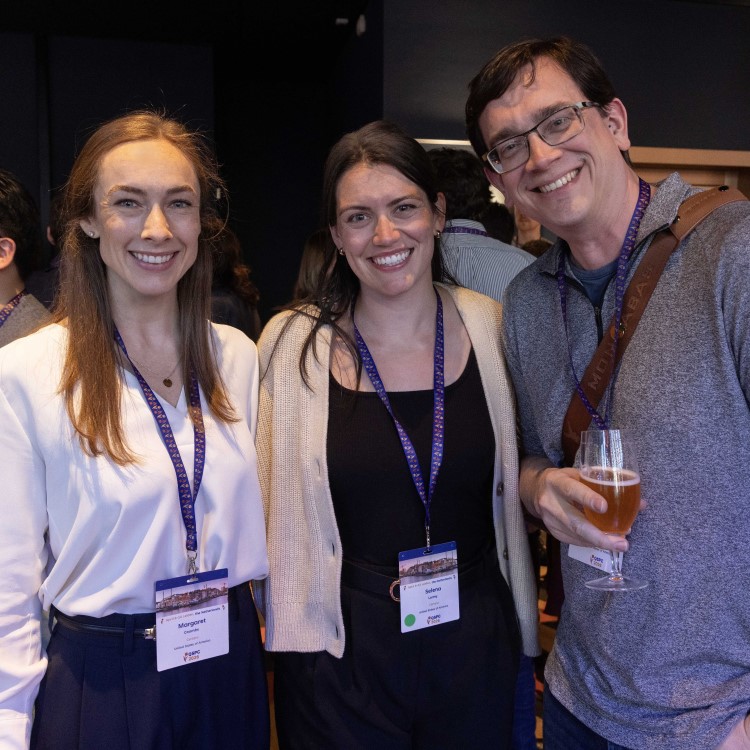
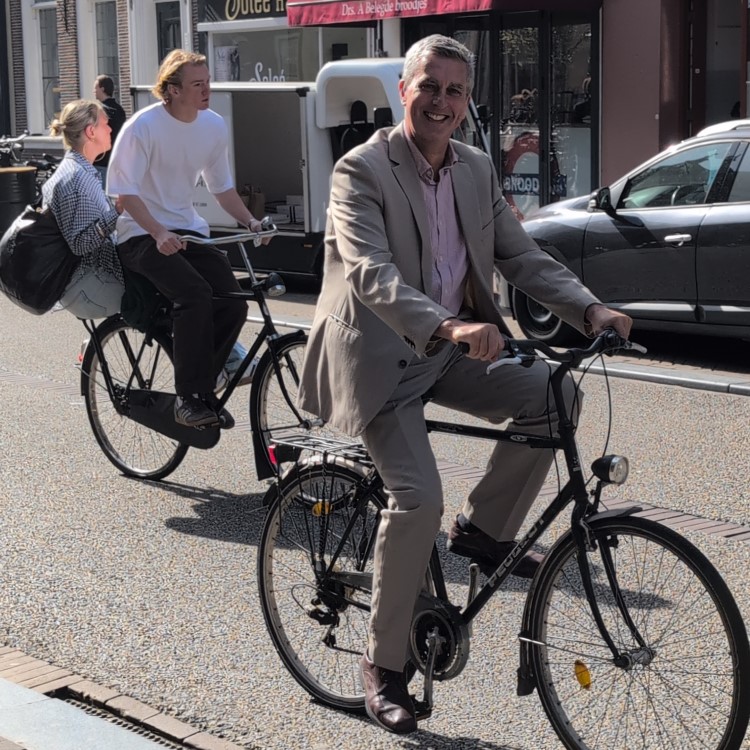
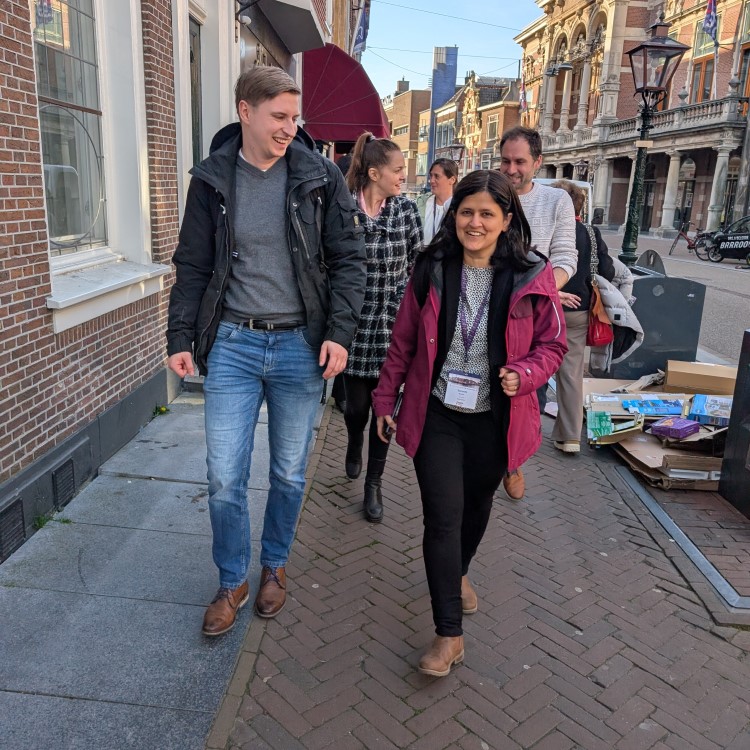
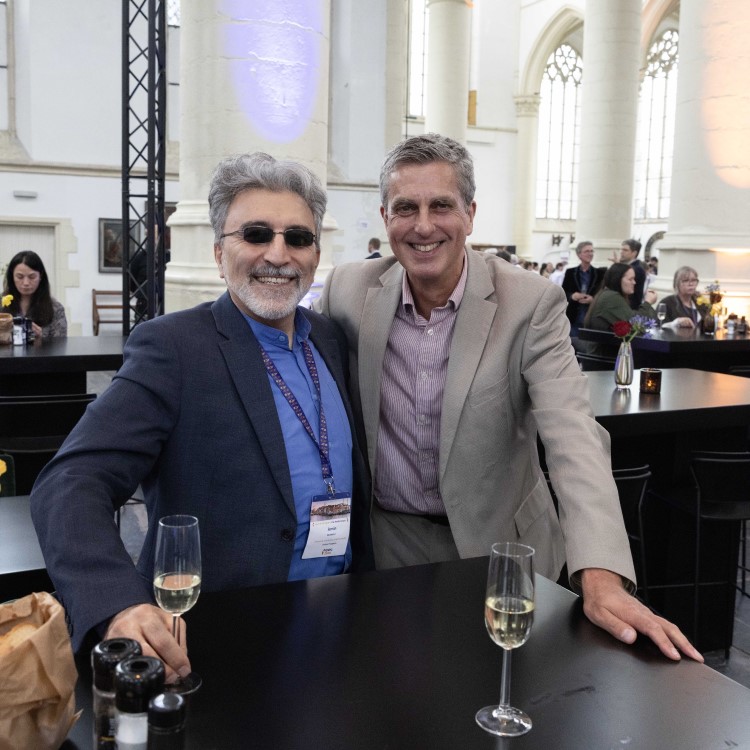
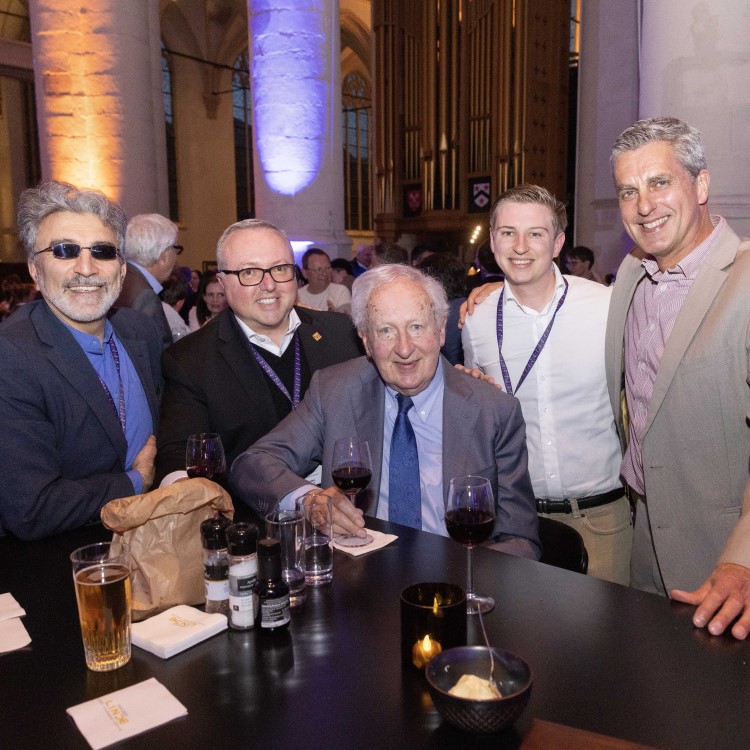
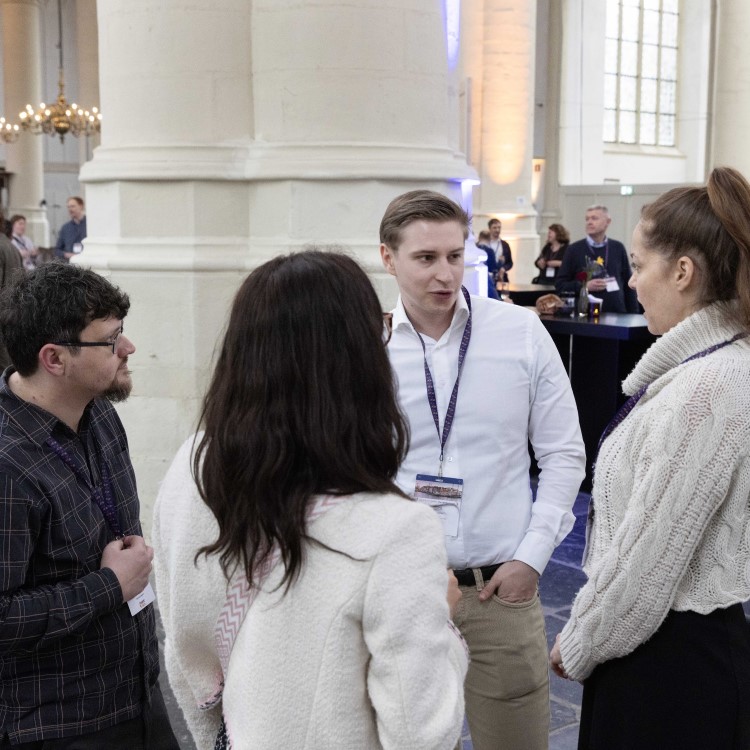
Beyond the sessions, QSPC continues to stand out for its community-driven atmosphere.
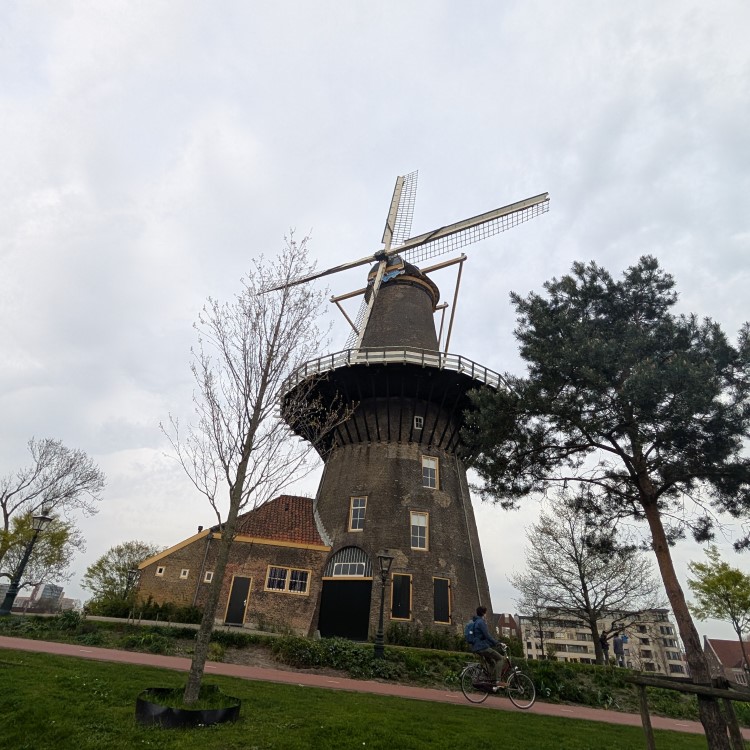
Leiden provided the perfect setting:
- Beautiful spring weather that kept energy high
- Coffee-fueled discussions between sessions
- Walkable city moments that extended conversations beyond the venue
With a relatively intimate size, the meeting made it easy to:
- Reconnect with long-time collaborators
- Meet new partners across academia, biotech, and pharma
- Have deeper, more meaningful scientific discussions
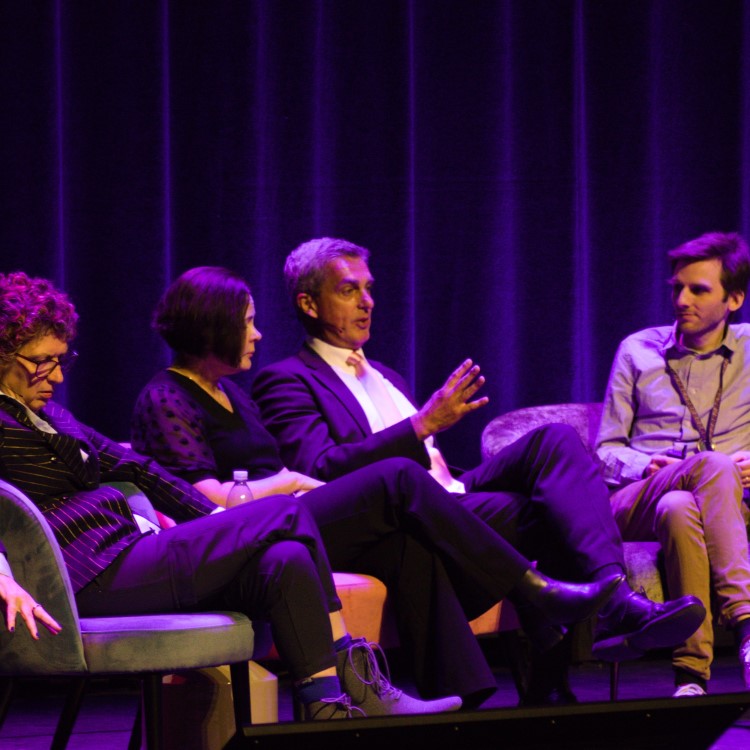
The panels were a particular highlight, creating space for open dialogue around:
- The growing role of QSP in regulatory submissions
- The need for credibility frameworks and standardization
- How to move from promising applications to routine use in decision-making


How systems modeling optimizes oncolytic virus therapies
Systems modeling (QSP) helps predict how oncolytic viruses interact with tumors and the immune system, enabling smarter dosing, improved safety, and more effective cancer treatments.
Virtual patients are driving real decisions
A consistent theme across multiple talks was the rise of virtual patients and in silico trials.
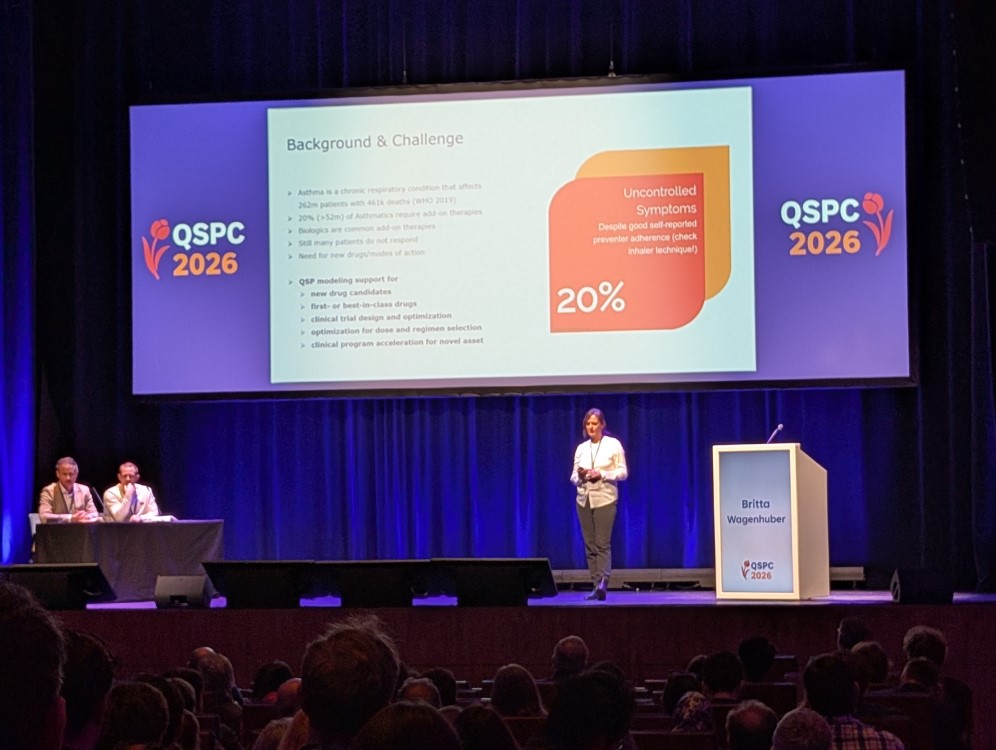
Britta Wagenhuber’s work demonstrated how integrating clinical and preclinical data, omics datasets, and disease biology and pharmacology, can enable simulations that:
- Accelerate development timelines
- Support candidate selection
- Predict outcomes in subpopulations
In one case, this approach helped accelerate a program by ~1 year. QSP is no longer just explanatory. It’s becoming decision-enabling.
From variability to individualization
Several talks focused on understanding patient variability and moving toward individualized care.
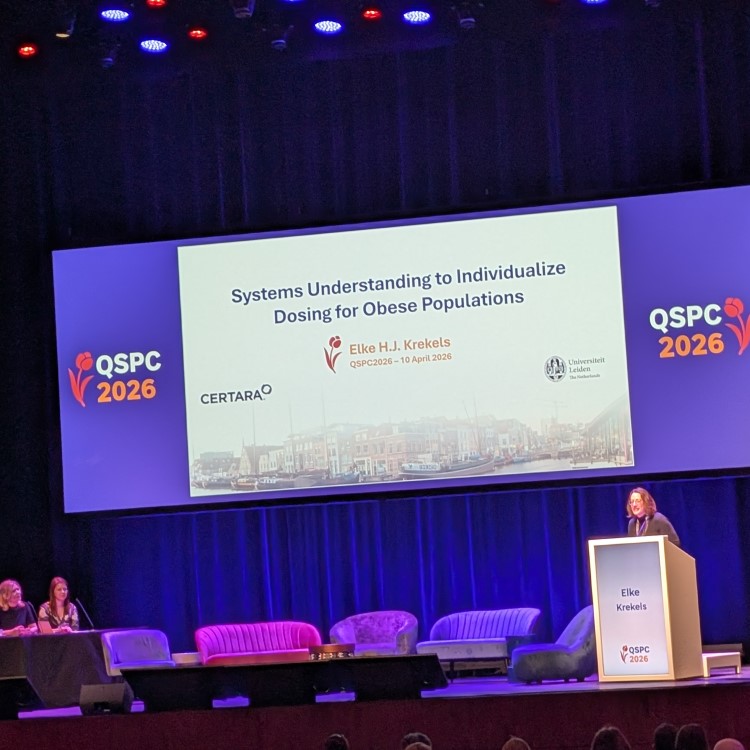
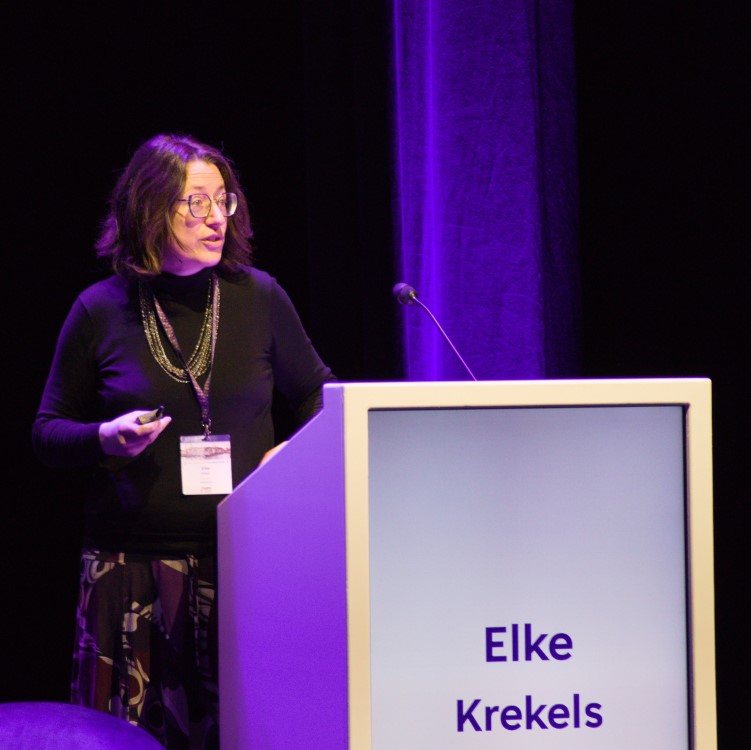
Elke’s work on obesity and drug clearance highlighted that:
- Clearance changes systematically with obesity, but not uniformly
- Effects depend strongly on drug properties and disease state
- Simple scaling approaches introduce significant error
The key message: Dosing cannot be formula-based. It must be individualized using mechanistic insight.
Certara posters took the stage
Beyond the main sessions, the poster presentations at QSPC 2026 offered a closer look at cutting-edge applications of QSP and PBPK modeling. Certara’s contributions, in particular, showcased how mechanistic modeling is being applied across modalities, from biologics to cell therapies.
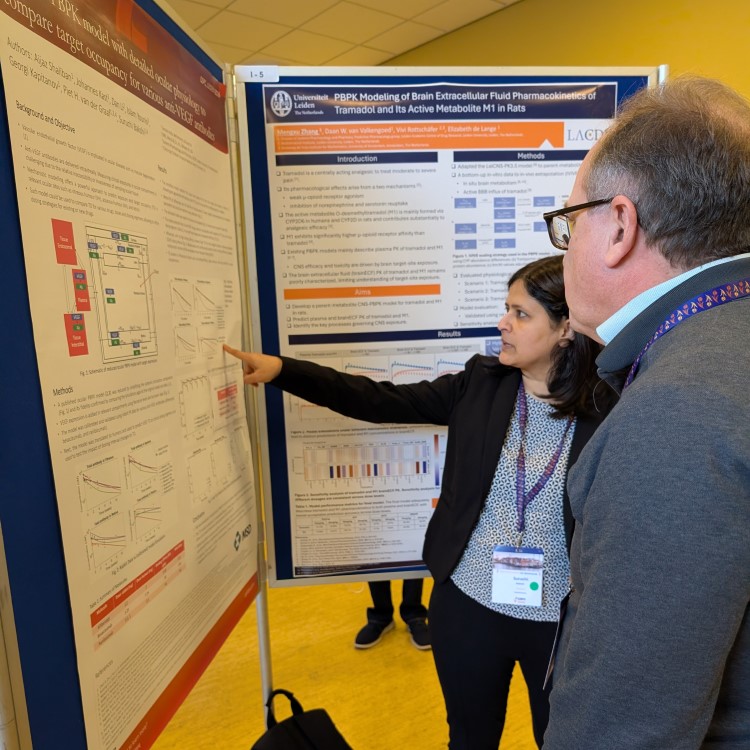
1. Advancing Ocular Drug Modeling for Anti-VEGF Therapies
Minimal PBPK model with detailed ocular physiology to compare target occupancy for anti-VEGF antibodies
Presenter: Suruchi Bakshi (with Merck)
This work introduced a streamlined PBPK model incorporating detailed ocular physiology to evaluate target engagement across anti-VEGF therapies.
Why it stands out:
- Enables comparison of antibody performance in the eye
- Supports optimization of dosing and delivery strategies
- Addresses a critical need in ophthalmology drug development
2. Understanding T-Cell Exhaustion in Immunotherapy Relapse
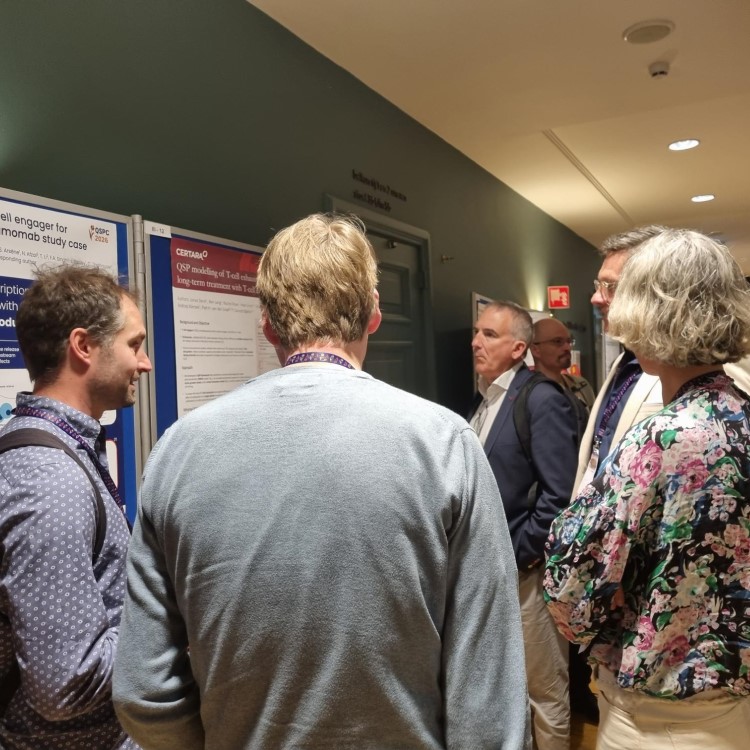
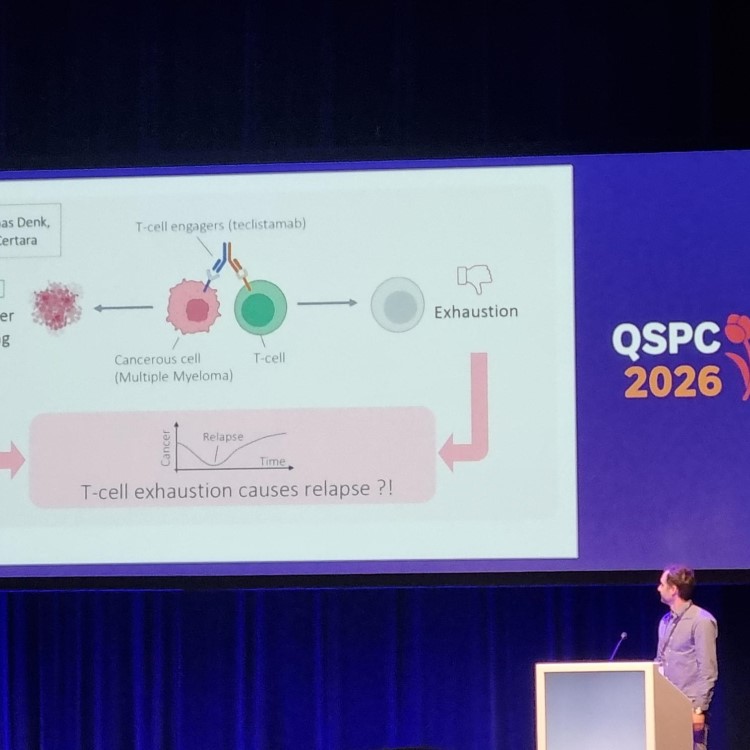
QSP modeling of T-cell exhaustion as a driver of relapse in long-term treatment with T-cell engagers
Presenter: Jonas Denk
This QSP model explores how T-cell exhaustion contributes to relapse, a major challenge in immuno-oncology.
Key contributions:
- Mechanistic insight into long-term treatment dynamics
- Identification of relapse drivers
- Potential strategies to improve durability of response
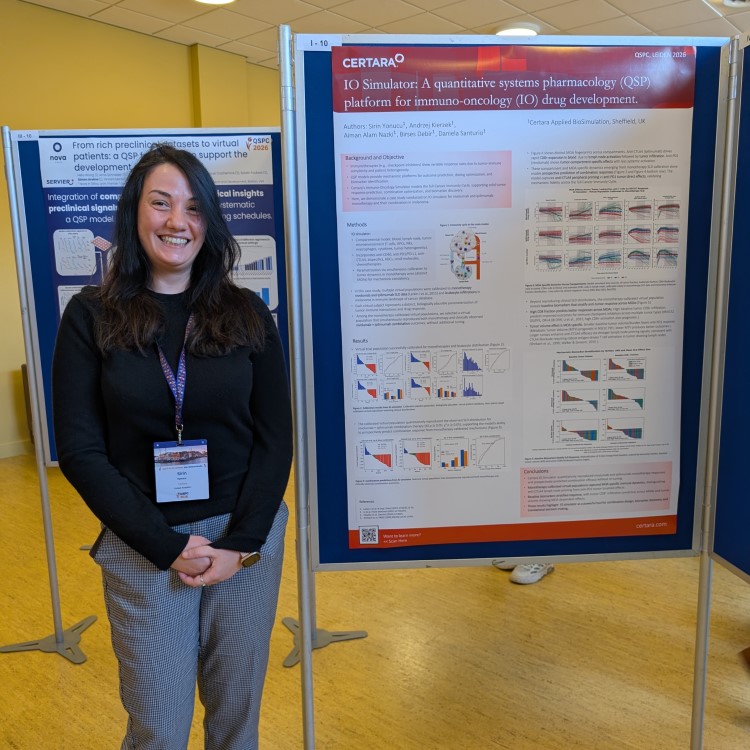
3. IO Simulator: A Platform for Immuno-Oncology Drug Development
IO Simulator: A QSP platform for immuno-oncology (IO)
Presenter: Sirin Yonucu
This platform represents a move toward scalable, reusable QSP frameworks for IO.
What it enables:
- Simulation of complex tumor–immune interactions
- Evaluation of combination therapies
- Faster hypothesis testing across drug candidates
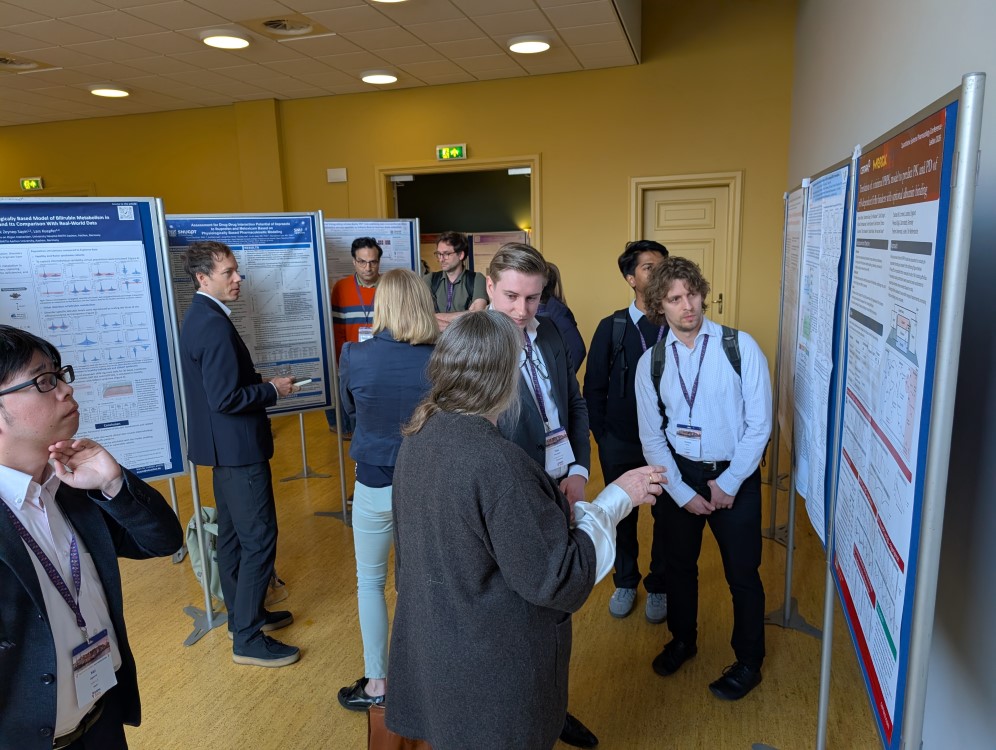
4. Translating pH-Dependent FcRn Binder PK/PD Across Species
Minimal PBPK model for pH-dependent FcRn binders with optional albumin binding domain
Presenter: James Wade
This model addresses the complexity of pH-dependent binding on FcRn-mediated recycling and IgG levels.
Highlights:
- Cross-species translation (mouse → monkey → human)
- Flexible modeling that can include albumin-binding domains
- Improved prediction of PK/PD behavior
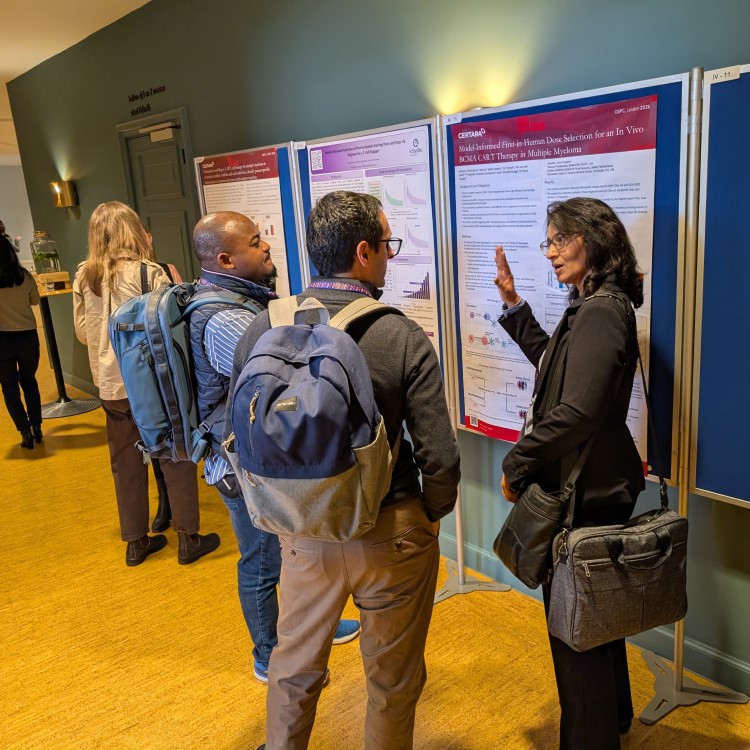
5. Model-Informed First-in-Human Dose Selection for CAR-T Therapy
Model-informed first-in-human dose selection for BCMA CAR-T therapy in multiple myeloma
Presenter: Chris Morris
This work demonstrates how modeling can support safer and more efficient clinical entry for cell therapies.
Impact:
- Reduces uncertainty in dose selection
- Supports regulatory strategy
- Enhances early-stage decision-making
6. Mechanistic Modeling to Optimize CAR-T Therapy Outcomes
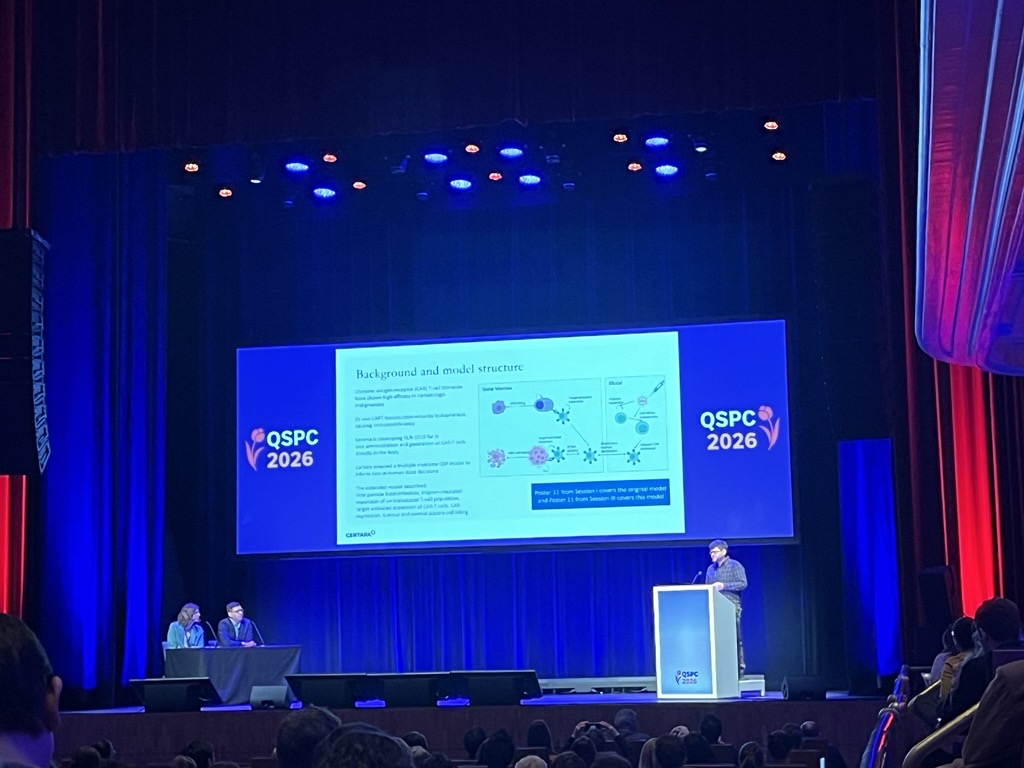
Mechanistic modeling of CAR-T therapy in multiple myeloma
Presenter: Vicky Kostiou
This model integrates public and real-world data to better understand patient response.
Key insights:
- Identification of patient-specific response drivers
- Evaluation of multi-antigen targeting strategies
- Support for personalized treatment approaches
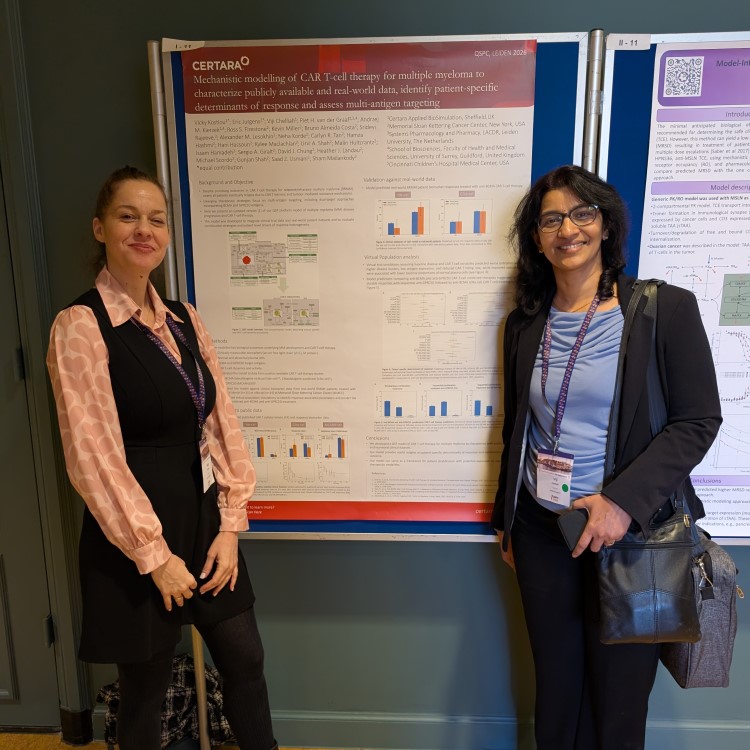
7. Modeling Hematopoiesis to Advance MDS and AML Therapies
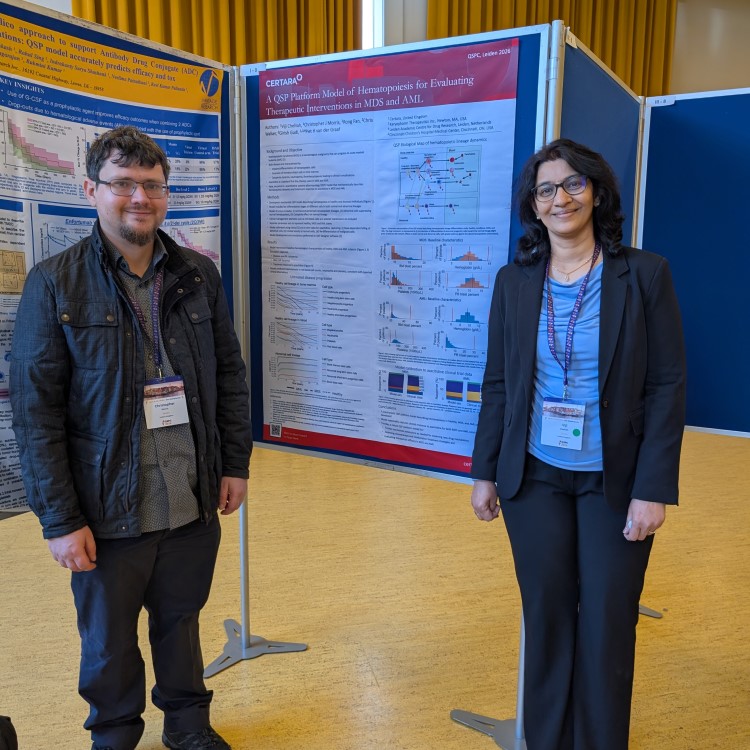
A QSP Platform Model of Hematopoiesis for Evaluating Therapeutic Interventions in MDS and AML
Presenter: Viji Chelliah
This poster introduces a QSP platform model of hematopoiesis designed to support drug development in myelodysplastic syndromes (MDS) and acute myeloid leukemia (AML), two areas with complex disease biology and significant unmet need.
Key highlights:
- Captured the dynamics of blood cell formation and disruption in disease
- Enabled evaluation of therapeutic interventions across multiple mechanisms
- Supported translation from biology to clinical outcomes in hematologic disorders
8. [Client poster] Model-Based Patient Selection and Dosing Strategies for HRAS and PIK3CA dysregulated HNSCC: A QSP Model for Alpelisib and Tipifarnib Combination
Authors: Jaehee Shim1, Douglas Chung1, Alison Smith2, Shivani Malik2, Binaifer Balsara2, Francis Burrows2, Piet H. van der Graaf1,3,4, Amitava Mitra2*
1. Certara Applied BioSimulation, Sheffield, UK, 2. Kura Oncology, Inc., San Diego, CA, USA, 3. Leiden Academic Centre for Drug Research, Leiden University, The Netherlands, 4. Cincinnati Children’s Hospital Medical Center, US. *Presenting Author
This poster presents a mechanistic QSP model of PI3K and HRAS signaling to guide patient selection and dosing for combination therapy in head and neck cancer, integrating preclinical, clinical, and molecular data into a unified framework.
Highlights:
- Predicts tumor response across genetically defined patient subgroups, identifying those most likely to benefit
- Uses virtual patient simulations to optimize dosing and improve therapeutic outcomes
- Shows that treatment response varies significantly by mutation type, reinforcing precision medicine strategies
9. [Client poster] A Quantitative Systems Pharmacology Model of Type 1 Diabetes Progression to Support Immunomodulatory Drug Development
Authors: E. Roesch (1), R. Sheehan (2), G. Boka (1), V. Chelliah (2), M. Jansen (2), M. Kumar (1), M. Peakman (1), E. Sundermann (1), P. van der Graaf (2), B. Wagenhuber (1)
1. Sanofi-Aventis Deutschland GmbH, Frankfurt, Germany, 2. Certara, Radnor, US.
This poster presents a quantitative systems pharmacology (QSP) model of Type 1 Diabetes (T1D) progression that integrates autoimmune mechanisms with metabolic outcomes across defined disease stages. The model provides a mechanistic framework to support immunomodulatory drug development by linking immune-mediated β‑cell destruction to clinically relevant glycemic endpoints, both in the presence and absence of exogenous insulin therapy.
Key highlights:
- Mechanistically captured the islet–immune cycle driving autoimmune β‑cell loss and natural disease progression
- Linked immune activity and β‑cell preservation to clinical and metabolic outcomes such as HbA1c, C‑peptide, and time‑in‑range
- Forms a mechanistic framework for quantitatively evaluating immunomodulatory treatments and disease‑modifying effects
10. [Client poster] Can FcRn-inhibitors be improved by adding an albumin-binder? A case study of how to influence molecule design at concept phase with M&S
Authors: Katharina Koep1, James Wade2, Athena Grant2, Allison Christiaansen3, Achim Doerner1, Anis Krache1, Enrico Guarnera1, Tom Snowden2, Piet van der Graaf2
1. Merck KGaA, Darmstadt, Germany, 2. Certara UK Limited, London, England, 3. EMD Serono
This work shows how a minimal PBPK model can be used at the concept stage to evaluate design hypotheses, specifically whether adding an albumin-binding domain could improve FcRn inhibitors, before any molecule is physically created.
Highlights:
- Albumin binding extends half-life and improves PK, but not enough to enable practical subcutaneous dosing
- Modeling enables early go/no-go decisions, reducing reliance on costly experimental iteration
- Highlights limitations of animal models due to species differences in FcRn and albumin binding
Certara IQ™ takes the stage: Live demos
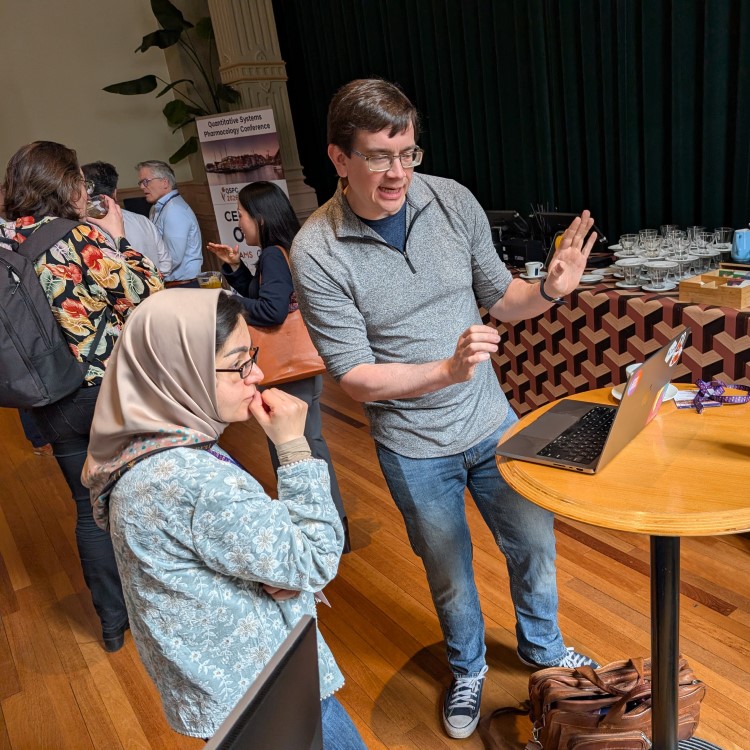
While scientific talks and posters showcased the evolution of QSP, Certara IQ™ demos, led by Andrew Matteson, emerged as a standout highlight. Attendees weren’t just seeing what’s possible; they were able to see how it actually works in practice.
From Models to Usable Workflows
The demos focused on how Certara IQ enables teams to:
- Integrate diverse datasets into a unified modeling environment
- Streamline QSP and PBPK workflows
- Improve collaboration across multidisciplinary teams
- Accelerate decision-making with more accessible, scalable tools

Jessica Sinha
Associate Director, Marketing – QSP, CertaraJessica Sinha is an accomplished marketing leader with more than eight years of experience spanning B2B, brand, content, and digital marketing in the life sciences sector. At Certara, she leads strategic marketing initiatives for Quantitative Systems Pharmacology (QSP), combining her scientific foundation in bioengineering with a passion for clear, impactful communication.
This summary was built with significant contributions from Certara’s QSP team in attendance at QSPC 2026.
Learn more about Certara IQ
Certara IQ is the AI-enabled QSP modeling tool that will transform your research and scale your molecule’s potential.
Certara IQ offers flexible and scalable licensing options to cater to a variety of users and organization sizes.

常见问题解答
What is QSPC?
QSPC (Quantitative Systems Pharmacology Conference) is a global scientific meeting focused on advancing quantitative systems pharmacology (QSP), bringing together experts from pharma, biotech, academia, and regulatory agencies. QSPC is held every four years, making it a key milestone event for tracking long-term progress and trends in the field.
Who attends QSPC?
Attendees include:
- QSP scientists and pharmacometricians
- Drug development leaders in pharma and biotech
- Academic researchers
- Regulatory experts
What topics are covered at QSPC?
The conference typically spans:
- QSP and PBPK modeling
- 模型引导的药物开发(MIDD)
- AI/ML in MIDD approaches
Why is QSPC important for drug development?
QSPC highlights how modeling approaches are evolving from research tools into decision-making frameworks, with growing impact on regulatory submissions and clinical strategy.
See Certara IQ in Action