


概述
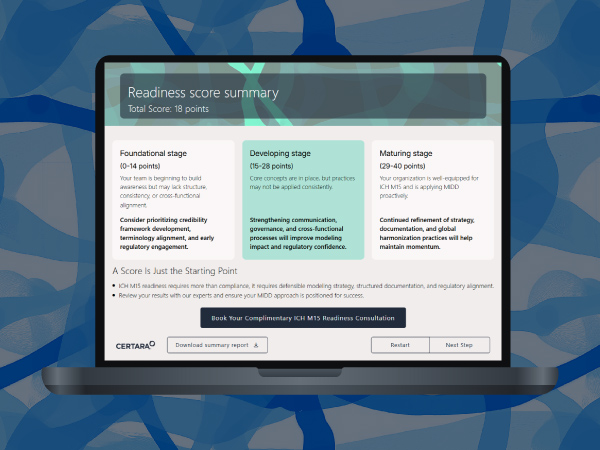
As regulatory expectations evolve, model-informed drug development (MIDD) is no longer optional, it is increasingly central to decision-making, particularly in the context of streamlined development programs and single pivotal studies. Yet, while the use of PBPK, QSP, and other mechanistic models is growing, regulatory acceptance still hinges on one critical factor: credibility.
What makes a model “credible” in the eyes of regulators? Why do some models meaningfully inform decisions, while others raise concerns or are discounted entirely?
In this follow-up to Regulatory Horizons: Global Insights 2026, former regulators and clinical pharmacology experts will provide practical guidance on how to increase regulatory confidence in your models. The discussion will go beyond theory to focus on real-world decision-making: identifying common red flags, defining appropriate context of use, and demonstrating the totality of evidence needed to support model-informed claims.
The session will also explore how the evolving regulatory landscape, including increased reliance on single pivotal studies, is raising the bar for mechanistic and quantitative evidence, making well-positioned and well-communicated models more important than ever.
Attendees will leave with actionable strategies to move from simply including models in submissions to ensuring they are trusted, decision-enabling components of the regulatory package.
点击报名
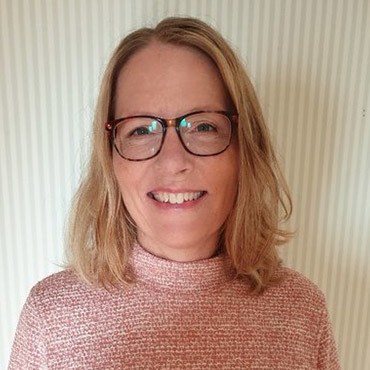
Eva Berglund, PhD
Vice President, Clinical Pharmacology and Regulatory StrategyDr. Eva Gil Berglund is a pharmacist by training and has a PhD in Clinical Pharmacology, both from Uppsala University, Sweden. She has been a Clinical Pharmacology reviewer at the Swedish Medical Products Agency for over 20 years and a Senior Expert for 12 years, working with all types of molecules in marketing applications, clinical trials and scientific advice procedures in the EMA Network of National agencies. Eva has been working in all therapeutic areas and has extensive knowledge in antivirals, antibiotics, CNS active drugs, oncology, rheumatology, inhalation products etc.
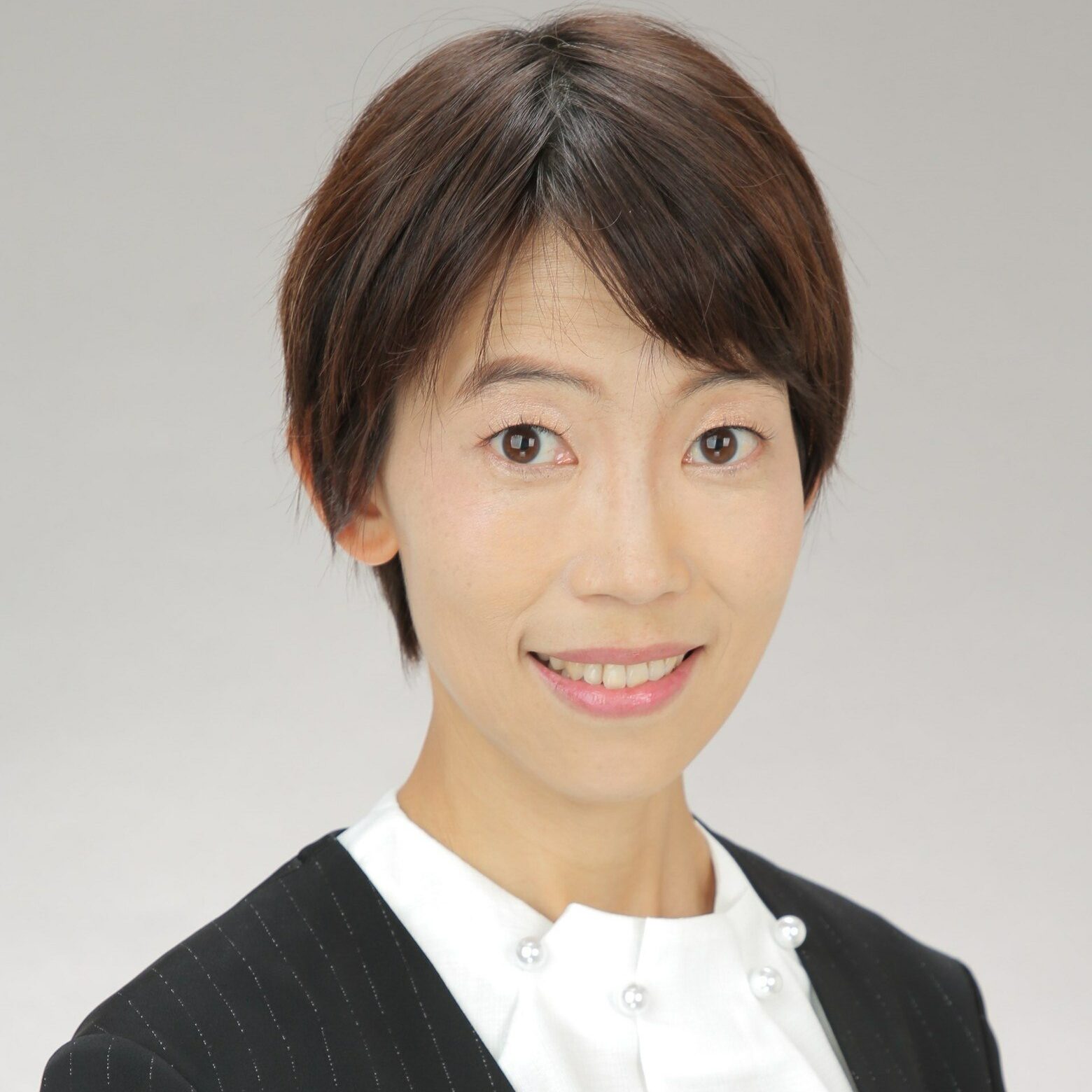
Mayumi Hasegawa, PhD
Vice President, Clinical PharmacologyDr. Hasegawa 拥有超过 18 年的药物开发经验,专注于临床药理学和定量药理学领域,擅长亚太地区(日本-韩国-中国台湾)的药物开发。
Dr. Hasegawa 在肿瘤/免疫学、类风湿关节炎和心血管等治疗领域的早期和晚期开发项目方面都拥有丰富经验。她拥有与包括 FDA、EMA 和 PMDA 在内的卫生机构进行监管互动的丰富经验,并曾多次支持向全球卫生机构的递交并负责临床药理相关科学问题。她在开发战略、模型引导的药物开发、免疫原性和生物标记物方面拥有特殊专长。

Justin Hay, PhD
Senior Director, Clinical Pharmacology ConsultingDr. Hay joined Certara in 2022 with 25+ years of clinical pharmacology experience having started his career as Senior Clinical Scientist at the Centre for Human Drug Research (CHDR), Leiden. More recently he worked as Senior Pharmacokinetics Assessor and Deputy Unit Manager at the Medicine and Healthcare Products Regulatory Agency (MHRA), UK where he also had a leading role with the Access Consortium (Regulatory agencies of Australia, Canada, Singapore, Switzerland and UK).
Justin has also been a member of the EMA’s former Modelling and Simulation Working Party (MSWP). He has a special interest in biologics, CNS research, pain management and pediatric pharmacology. Justin has a PhD from the University of Adelaide, Australia.
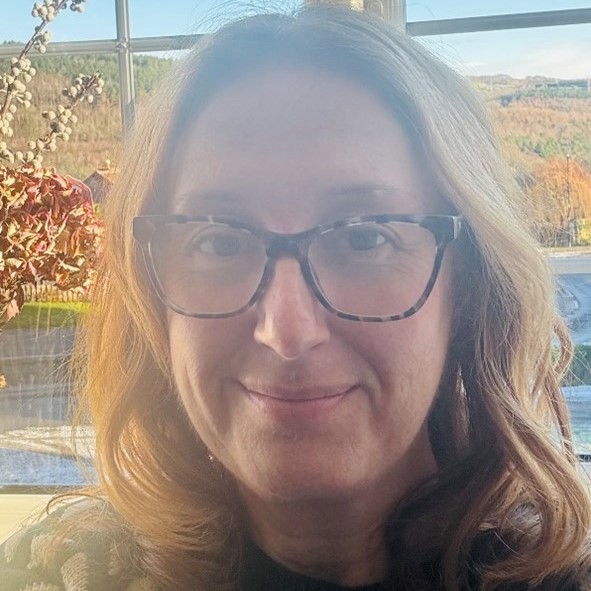
Lisa Almond, PhD
Senior Director of PBPK ConsultancyLisa joined Simcyp in 2005, bringing her expertise in predicting pharmacokinetics (PK) and drug-drug interactions (DDIs) while integrating drug and population models within the Simcyp Simulator. Over the past decade, she has been instrumental in helping clients navigate complex drug development challenges with customized PBPK modeling solutions.
With a strong background in infectious diseases, Lisa leads Global Health projects and is committed to advancing PBPK applications for understudied and complex populations, including pregnant and breastfeeding women. Her work focuses on addressing gaps in clinical data, improving drug treatment strategies, and supporting the inclusion of diverse populations in clinical research. She also serves as an Executive Editor for the British Journal of Clinical Pharmacology.
Lisa is known for her collaborative approach and practical, science-driven perspective. She works closely with pharmaceutical and biotech teams on regulatory strategy, DDI assessment, and PBPK applications, including for special populations. Her experience supports informed decision-making across drug development programs.
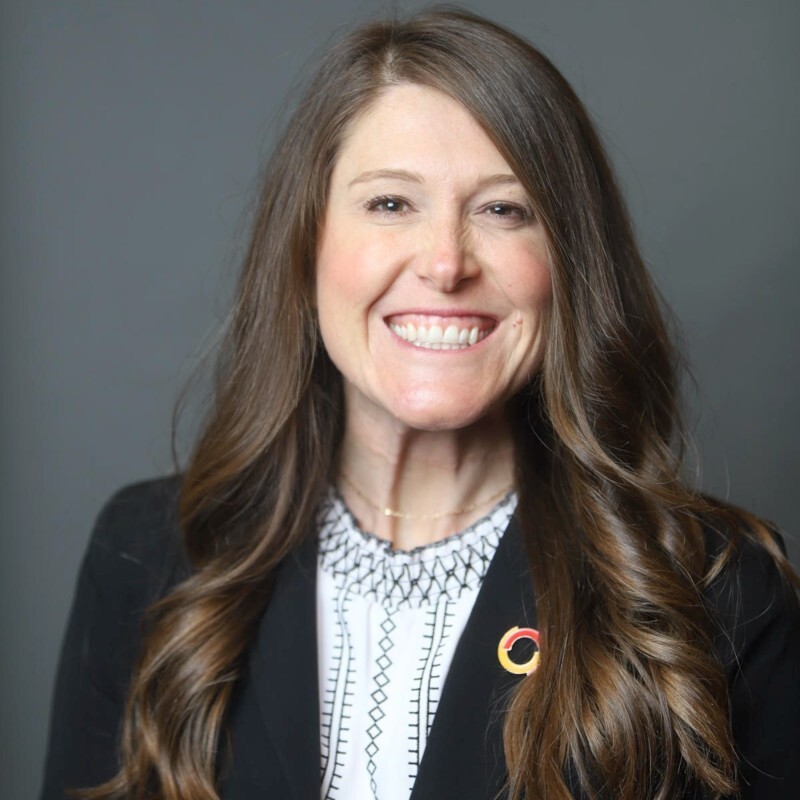
Racheal Kendrick, PharmD
Senior Director of Clinical Pharmacology and Translational Medicine Certara Drug Development SolutionsDr. Racheal Kendrick is currently a Senior Director of Clinical Pharmacology and Translational Medicine at Certara. She has 15 years of drug development experience with a focus on quantitative solutions using state of the art methods and software. Racheal has contributed to all phases of the drug development cycle including first in human dose selection, IND support, Phase I study design, strategy, and implementation, dose-finding approaches, exposure-response analyses, and regulatory interactions. Racheal has experience collaborating with teams of scientific professionals from some of the worlds major pharmaceutical and biotechnology companies in many therapeutic areas including neurology, ophthalmology, infectious disease, oncology, hematology, and contraception, advancing both large and small molecules.
Prior to her role at Certara, Racheal was an associate director at a contract research organization, with a focus on Phase I studies. Racheal received her Doctor of Pharmacy from the University of Missouri-Kansas City and completed a pharmacokinetics and pharmacodynamics fellowship with the University of North Carolina and Quintiles.
点击报名