


跳转到主要内容
搜索

2026 年 3 月 11 日

导言

At ASCPT 2026, one message resonated across plenaries, scientific sessions, and industry debates: innovation alone is not enough. Breakthrough science must translate into measurable patient outcomes, sustainable access, and equitable impact.

As model-informed drug development matures under ICH M15 and AI moves from debate to disciplined deployment, the industry is entering a new phase where quantitative science is central to both regulatory success and pharmacoequity. The next three to five years will redefine how therapies are developed, evaluated, and delivered worldwide.

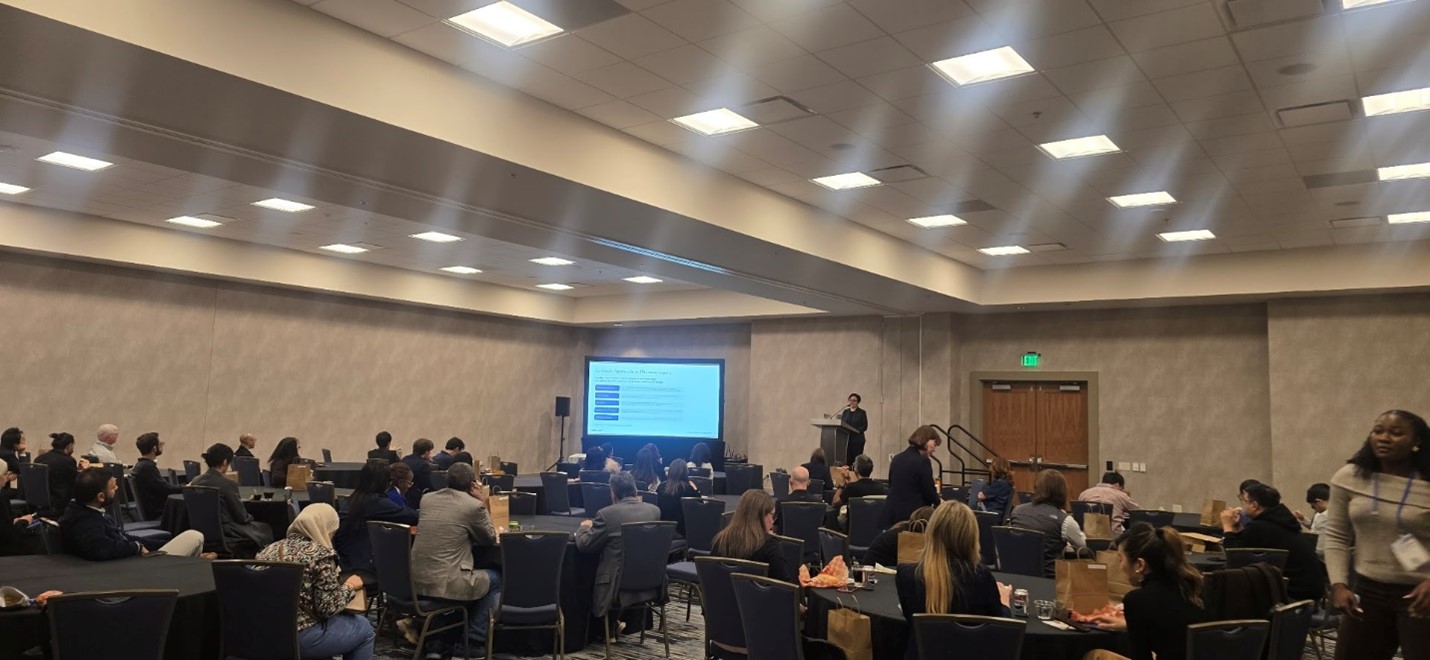
Tong Zhu, PhD, Global Head, Clinical Pharmacology & Translational Medicine at Certara, discussing model-informed drug development and pharmacoequity at ASCPT 2026.
Tong Zhu, PhD, Global Head, Clinical Pharmacology & Translational Medicine at Certara, discussing model-informed drug development and pharmacoequity at ASCPT 2026.

Pharmacoequity as the north star

Pharmacoequity is no longer an aspirational concept. It is becoming a scientific and regulatory imperative.

Across sessions, experts emphasized that equitable access must be embedded upstream at the level of study design, modeling strategy, regulatory engagement, and global evidence generation. Persistent disparities in pediatric access, maternal-fetal therapeutics, global vaccine distribution, and advanced modalities such as cell and gene therapies require intentional, quantitative solutions.

Equity must be integrated by design, not addressed retroactively.

Model-informed drug development provides the framework to enable this shift. Approaches such as physiologically based pharmacokinetic modeling, quantitative systems pharmacology, model-based meta-analysis, and real-world data integration allow sponsors to extrapolate evidence to underrepresented populations, reduce unnecessary trial burden, and inform global regulatory decisions.

Learn how Certara supports integrated model-informed drug development strategies:
Model-Informed Drug Development​ Solutions

For broader program-level alignment from discovery through registration, Certara’s drug development strategy services integrate quantitative science with regulatory and commercial insight:
https://www.certara.com/services/drug-development-services/

How model-informed drug development is redefining regulatory expectations

With ICH M15 finalized, model-informed drug development is increasingly foundational to regulatory submissions.

The focus has shifted from whether modeling should be used to how model-based evidence is strategically planned, generated, and communicated. Regulators increasingly expect:

  • A clearly defined context of use
  • Transparent assumptions and methodologies
  • Decision-oriented quality of inference
  • Harmonized global submission strategies

Regulatory agencies are engaging earlier and more collaboratively, strengthening totality-of-evidence frameworks that integrate mechanistic modeling, clinical data, and real-world insights.

Clinical pharmacology and translational medicine teams play a critical role in ensuring that modeling strategies are scientifically rigorous and aligned with evolving regulatory standards. Explore Certara’s clinical pharmacology and translational medicine expertise:
https://www.certara.com/services/clinical-pharmacology/

Organizations that embed model-informed drug development early in program strategy will be better positioned to accelerate timelines while maintaining regulatory confidence.

AI in model-informed drug development: From debate to disciplined deployment

Artificial intelligence was one of the most discussed topics at ASCPT 2026. The consensus was clear: AI will augment, not replace clinical pharmacology expertise.

As AI-enabled tools become embedded within simulation and modeling workflows, enthusiasm is balanced by essential guardrails:

  • Predictive accuracy must be paired with biological plausibility
  • Transparency and interpretability are essential for regulatory trust
  • Human oversight remains non-negotiable
  • Biased or incomplete data risk reinforcing disparities

Responsible AI must remain mechanistically grounded and ethically accountable.

Over the next several years, competitive advantage will come not from adopting AI fastest, but from integrating it responsibly within model-informed drug development frameworks supported by strong clinical pharmacology foundations.

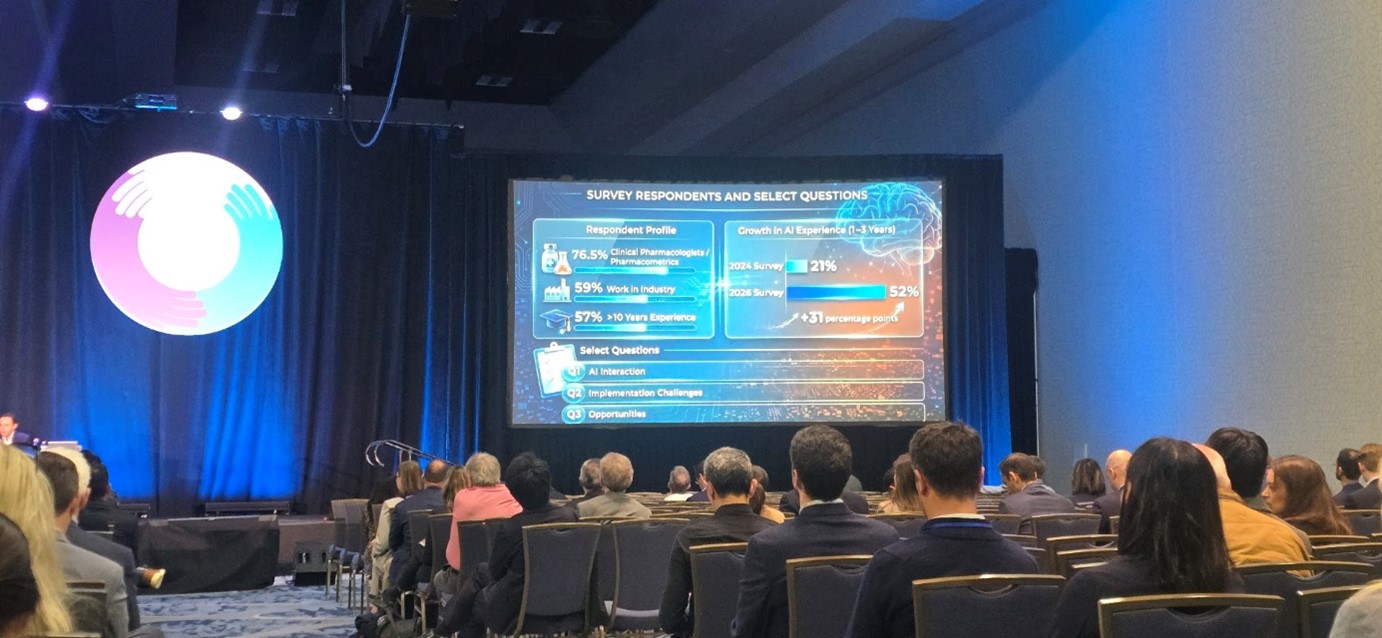
Panel discussion on AI in model-informed drug development at ASCPT 2026.

Panel discussion on AI in model-informed drug development at ASCPT 2026.

Totality of evidence as the new gold standard

A recurring theme at ASCPT was the movement toward integrated, mechanistic evidence frameworks.

Development and regulatory decisions increasingly rely on the totality of evidence, combining:

  • 定量系统药理学
  • PBPK modeling
  • 基于模型的荟萃分析
  • Real-world data
  • Epidemiologic and health economic modeling

High-quality, integrated data are becoming strategic assets.

Mechanistic approaches such as quantitative systems pharmacology enable robust extrapolation, informed dose and schedule selection, and predictive insights where traditional clinical data are limited.

Explore Certara’s quantitative systems pharmacology capabilities:
https://www.certara.com/services/quantitative-systems-pharmacology/

This integrated approach is especially critical for special populations, emerging modalities such as CAR-T and gene therapies, and preventive and global health programs.

From regulatory approval to real-world access

ASCPT 2026 highlighted an important evolution in industry thinking. Regulatory approval is no longer the sole milestone of success.

The focus is expanding toward:

  • Trial efficiency and reduced development burden
  • Cost-effectiveness and value-based frameworks
  • Sustainable pricing strategies
  • Global regulatory convergence
  • Real-world implementation

As innovation accelerates, aligning scientific advancement with affordability and global access remains one of the defining challenges of the decade.

Model-informed drug development provides the quantitative backbone to support this transition from innovation to implementation.

结论

ASCPT 2026 delivered a clear message: the future of drug development will be model-informed, AI-enabled, and equity-driven.

Pharmacoequity must be embedded in development strategy. ICH M15 has elevated model-informed drug development to regulatory standard. AI adoption requires discipline and transparency. Totality-of-evidence frameworks are reshaping decision-making. And success must extend beyond approval to sustainable patient access.

Over the next three to five years, organizations that integrate quantitative science, clinical pharmacology excellence, and strategic development planning will lead the industry forward.

Author

Marcela Aleman

Marketing Director, Certara Drug Development Solutions

常见问题解答

What is model-informed drug development?

Model-informed drug development integrates mechanistic modeling, clinical data, and real-world evidence to inform dose selection, extrapolation to special populations, and regulatory decision-making.

How does ICH M15 impact regulatory submissions?

ICH M15 formalizes expectations for model-based evidence, emphasizing context of use, quality of inference, and transparent communication to support regulatory evaluation.

Can AI replace clinical pharmacology expertise?

No. AI enhances predictive efficiency but must remain grounded in mechanistic science, interpretability, and human oversight.

How does quantitative systems pharmacology support pharmacoequity?

Quantitative systems pharmacology enables extrapolation to vulnerable populations and supports predictive insights when traditional clinical data are limited.

Explore integrated quantitative drug development services

Certara combines clinical pharmacology, translational science, and strategic development expertise to support regulatory success and global access.

Drug development strategy servicesClinical pharmacology and translational medicine

与我们的专家联系


沪ICP备2022021526号

Powered by Translations.com GlobalLink Web Software