


跳转到主要内容
搜索

2026 年 8 月 10 日

Synthetic cannabinoid receptor agonists (SCRAs) continue to challenge drug policy worldwide, but nowhere has this been tackled more throughly than in the UK. Over the past decade, the Advisory Council on the Misuse of Drugs (ACMD) has repeatedly adapted its approach to keep pace with rapidly evolving ThirdGeneration Synthetic Cannabinoids. These substances are potent, unpredictable, and are being constantly synthesised with new structures that outstrip the speed of legislative control.

This blog explores recent developments around CumylPeGaClone and the broader conversation about how the UK should regulate emerging SCRAs while avoiding unnecessary restrictions that could impede legitimate scientific research.

Why Third‑Generation SCRAs Are So Difficult to Regulate

Unlike earlier generations, third-generation SCRAs represent one of the fastestgrowing categories of novel psychoactive substances. Small changes in their chemical scaffold, linker, or side chains can produce entirely new variants, variants that initially fall outside legislation but may still cause severe harm.

The key challenges include:

  • Rapid chemical evolution, enabling suppliers to stay ahead of bans
  • High potency and toxicity, with severe and sometimes fatal outcomes
  • Difficult detection and monitoring, creating pressure on forensic and healthcare systems

In response, the UK has introduced several major legislative updates:

  • 2016: Amendments to the Misuse of Drugs Act
  • 2019: Further refinement to SCRA controls
  • 2023: ACMD review of CumylPeGaClone and newly emerging SCRAs

These changes show both progress and the need for ongoing adaptation.

Cumyl‑PeGaClone: A New High‑Risk SCRA

CumylPeGaClone is a recently identified ThirdGeneration SCRA linked to seizures, fatalities, and other severe health effects. The ACMD has recommended its control under the Misuse of Drugs Act, alongside structurally related analogues which is an appropriate measure given the risks.

However, the proposed expansion of the generic definitions introduces a concern: Has the net been cast too wide?

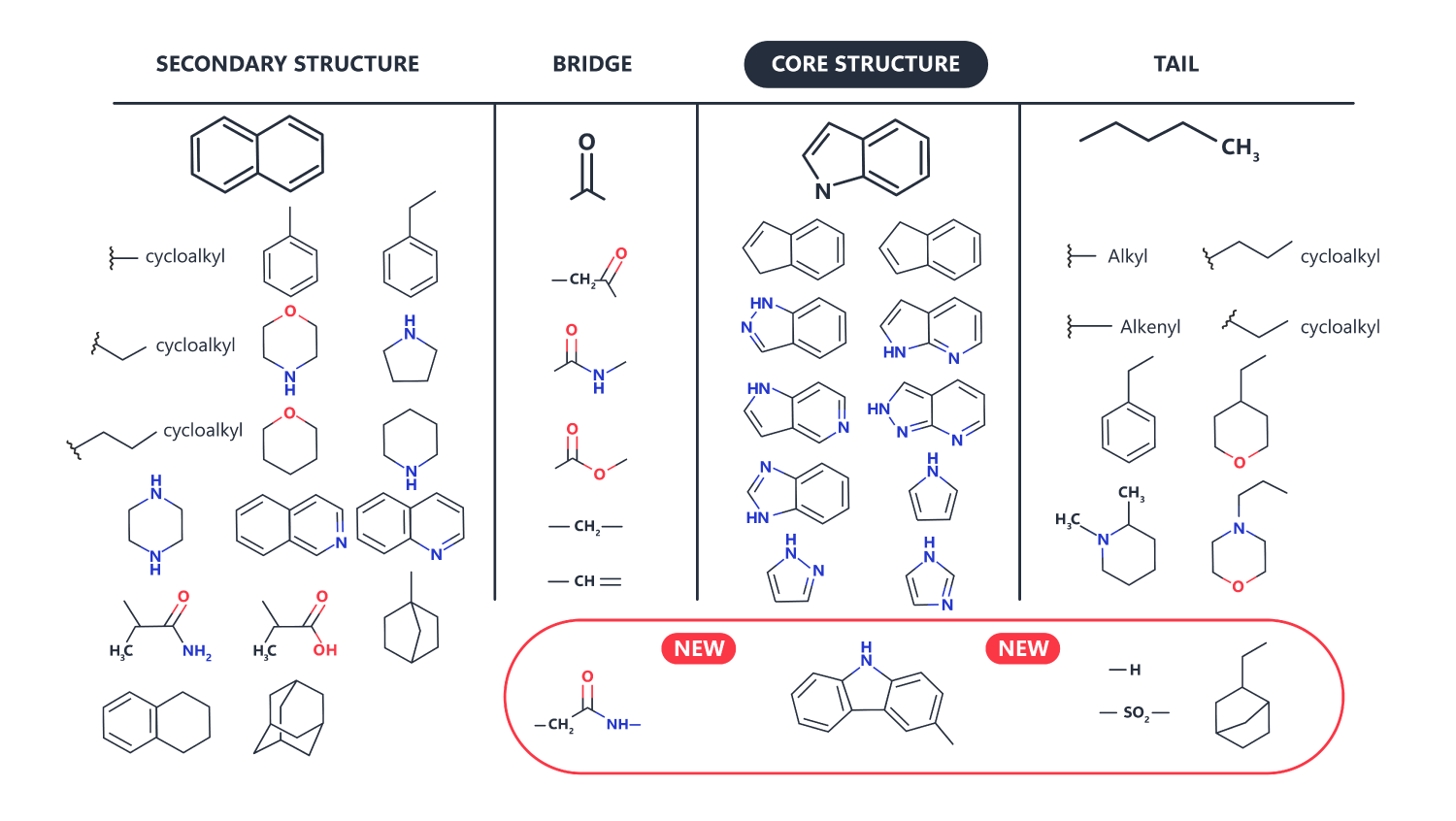
The updated definition now includes:

  • Alternative core scaffolds (e.g., carbazole)
  • New bridge groups (e.g., acetamido)
  • Modified or even absent side chains (including sulfonylcontaining tails)

This broader scope may unintentionally capture legitimate research compounds and even licensed medicines.

Testing the Impact: Using Certara Compliance Checker

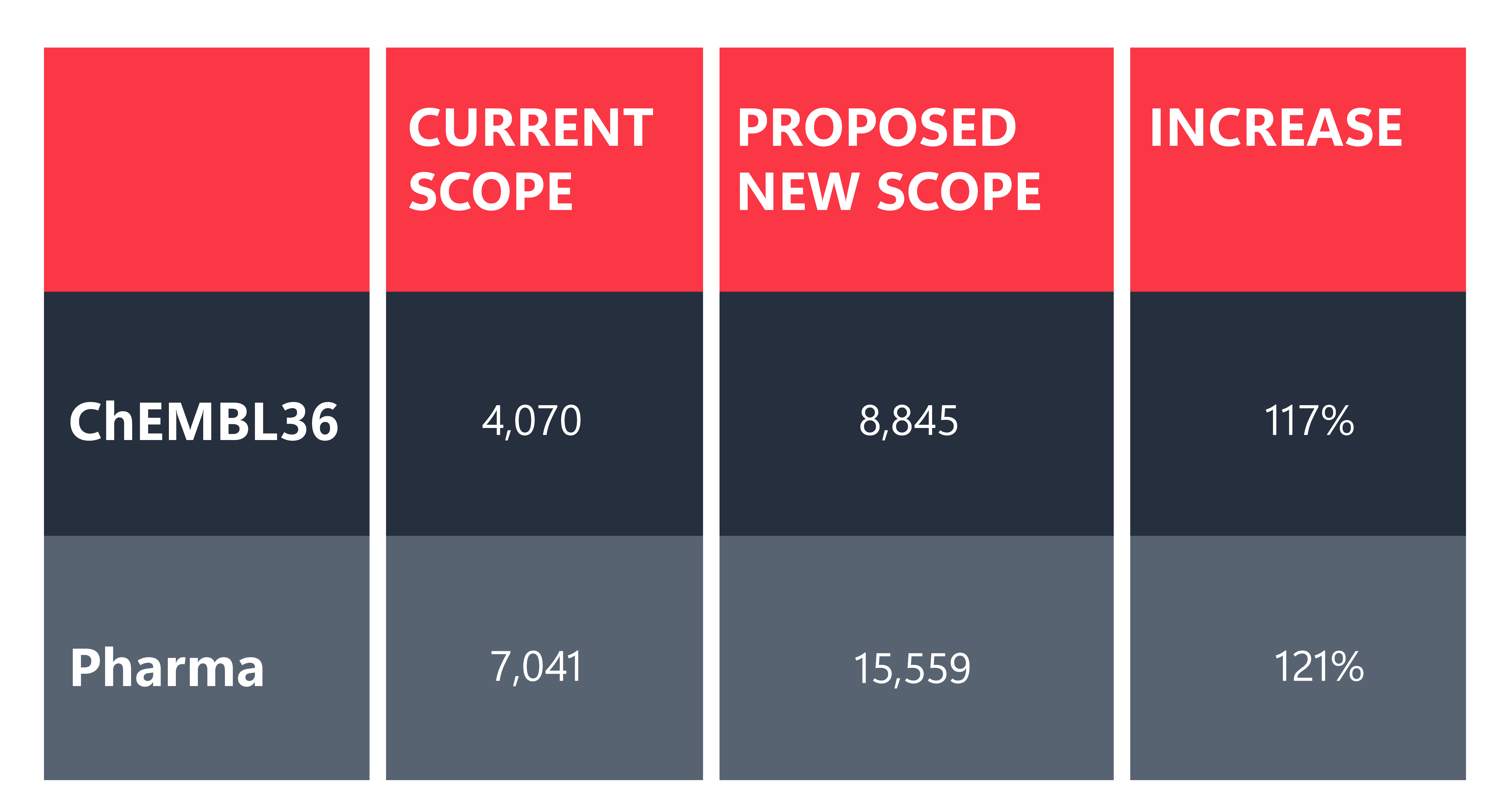
To assess the real-world implications, we used Certara Compliance Checker, a platform that screens chemical structures against global controlledsubstance regulations. By comparing large compound collections with the proposed ACMD wording, we calculated how many additional compounds might fall under control.

The results were significant:

Even more importantly, several legitimate medicines and candidates would unexpectedly fall under the new controls:

  • Bifonazole (Canesten Bifonazole) – Antifungal for athlete’s foot
  • Medetomidine (Dormitor) – Veterinary sedative
  • Dexmedetomidine (Precedex) – ICU sedative and antiagitation drug
  • Masupirdine – Phase III Alzheimer’s agitation treatment candidate

The ACMD suggested that no commercial substances would be affected—but these findings show otherwise. While there are no reports of individuals seeking a “legal high” from antifungal creams, this highlights the risk of overbroad control wording.

ACMD Recommendations: A Call for Stakeholder Consultation

One of the ACMD’s key recommendations is particularly important:

Recommendation: Consult with stakeholders, including academia, chemical suppliers, and pharmaceutical companies, before finalising the new generic SCRA definition.

This is not just sensible, but necessary.

A strong model already exists: the Pistoia Alliance, a nonprofit focused on collaborative R&D. The Pistoia worked with the ACMD for the 2019 amendments, helping to correct overly restrictive wording introduced in 2016. That collaboration enabled more practical regulation without compromising control of illicit substances.

Expanding this kind of partnership would ensure future legislation is scientifically robust and operationally workable.

Government Response So Far

The UK Government acted quickly to control CumylPeGaClone itself, classifying it as Class B and placing it in Schedule 1 due to lack of recognised medical use.

However, progress on the broader generic definition review has been slower, despite earlier commitments to consult widely. Given the findings above, such consultation is more important than ever.

Conclusion: Toward More Adaptive, Evidence‑Based Regulation

SCRAs represent a moving target. The ACMD provides timely, evidence-based advice, and the government responds rapidly to acute risks, but long-term control mechanisms still lag behind the pace of chemical innovation.

Generic definitions help close loopholes, but they can also:

  • Capture harmless or useful compounds
  • Restrict legitimate pharmaceutical research
  • Create ambiguity for contract labs and academic institutions

Tools like Compliance Checker offer a practical way to evaluate the real impact of proposed controls, enabling more informed decisionmaking.

For future legislation to remain effective without stifling scientific progress, regulation must become:

  • More adaptive to rapid chemical innovation
  • More transparent in its rationale and evidence
  • More collaborative, engaging scientists, industry, and regulators

Reestablishing and expanding stakeholder partnerships, such as those previously facilitated by the Pistoia Alliance, will be key to achieving this balance.

SCRA regulation will always demand vigilance. But with the right tools and open dialogue, the UK can maintain strong public health protections while supporting scientific advancement.

Want to see how your own compound library measures up against proposed regulatory changes?

Request a demo of the Certara Compliance Checker to screen your compounds against global controlled-substance regulations in real time or learn more.


申请演示

Author

Zofia Jordan

Zofia Jordan is currently an independent consultant for Compound Compliance, formerly she was Compound Compliance specialist for discovery compounds at GSK, where she has proven experience in managing both the physical handling and associated data around controlled compounds. As the Chair of the Controlled Substance Compliance Expert Community, Pistoia Alliance, she represented Pharma in talks with the Advisory Council on Misuse of Drugs to modify the Third Generation Synthetic Cannabinoid amendment, which finally came into law in November 2019, releasing thousands of compounds back into discovery libraries across pharma.

沪ICP备2022021526号

Powered by Translations.com GlobalLink Web Software